Debunking the Most Common Myths About Buying Second Hand Car Parts

When it comes to maintaining or repairing vehicles, buying second-hand car parts can be a cost-effective and sustainable option. However, several myths and misconceptions often surround the purchase of used auto parts. MMM Auto Centre aims to debunk these common myths and provide you with accurate information to make informed decisions when buying second hand car parts.

Myth 1: Second hand car parts are always of poor quality.

Fact: While it's true that some used car parts may have wear and tear, it's important to remember that not all second hand parts are low quality. Reputable auto recyclers such as MMM Auto Centre carefully inspect, test, and refurbish parts before offering them for sale or exporting globally. Many used car parts, especially those from low-mileage or well-maintained vehicles, can be in excellent condition and offer reliable performance at a fraction of the cost of new parts.

Myth 2: Used car parts have no warranty or guarantees.

Fact: This myth is not accurate. Many reputable sellers of second-hand car parts provide warranties or guarantees on their products. While the duration and coverage may vary, MMM Auto Centre offers warranties  for certain parts even though they are second hand and have a strict refunds and returns policies. These warranties offer assurance and protection, giving you recourse in case of any unexpected issues with the purchased parts.

Myth 3: Second hand car parts will not fit or be compatible.

Fact: This is a common misconception. MMM Auto Centre verifies compatibility before offering them for sale. We have systems in place to cross-reference part numbers, specifications, and vehicle compatibility to ensure you receive the right part. You are also welcome for inspections before buying any part. However, it's still important to provide accurate information about your vehicle, including its make, model, year, and specific requirements, to increase the chances of a proper fit.

Myth 4: Buying second hand car parts is not environmentally friendly.

Fact: On the contrary, purchasing second hand car parts is an environmentally friendly choice. By reusing parts from salvaged vehicles, you contribute to the recycling and reuse efforts in the automotive industry. It reduces the demand for new parts, which helps conserve resources, energy, and reduces the environmental impact associated with manufacturing new parts.

Myth 5: Second hand car parts are always cheaper than new parts.

Fact: While it's true that second-hand car parts often provide cost savings compared to new parts, the price difference can vary depending on factors such as part condition, rarity, and demand. For example, even the mileage, condition, colour, accident history may also affect the prices of the parts. Details may also differ by model and manufacturer, and also global conditions, like the chip shortage. 

In some cases, the price difference may be minimal, especially for parts that are in high demand or relatively new. It's important to compare prices between used and new parts to determine the best value for your specific needs.

By debunking these common myths, you can make informed decisions when buying used auto parts. Conducting thorough research, buying from reputable sellers, and understanding the specific condition and warranty of the parts will help ensure a positive experience and value for your money. Contact MMM Auto Centre to shop for second hand car parts today!
Tips for Buying Used Tyres  

When buying secondhand car parts, everyone is almost cautioned against buying used tyres and wheels. Most people argue that buying worn-out tyres is a false economy since you’ll be replacing them frequently. However, buying old wheels might be the next best thing when you have already budgeted for other things, and your tyres have just given out. 

Besides, dealers like MMM Auto Centre specialise in providing quality used tyres and wheels, which are often in excellent condition. 

Why Buy Used Tyres?

There are many reasons why you should buy secondhand tyres. 

It is environmentally friendly

Australians discard 56 million car tyres on average every year. Of which, 27 million aren’t recycled. If the demand for used tyres increases, it would increase the number of tyres being reused. This would help free a higher percentage of discarded materials from landfills. 

Budget-Friendly

This is the primary reason many car users opt for secondhand tyres. Brand-new tyres can be costly whereas old tyres can be half their price, if not less. Although, to ensure that you’re actually getting a good value for your deal and are actually saving up, you need to check their quality

Experiment with Different Treads

One good thing about buying pre-owned tyres is that you can try out several different tyres. The last thing you would want is to spend lots of money buying a brand-new wheel with a tread pattern you end up hating, but are stuck with for the next 48K kilometres.

Tips for Buying Used Tyres

Buying a secondhand tyre ensues as much work as buying fresh tyres, if not more. Here are some tips you can follow: 

Evaluate Tire Tread Depth 

A tyre’s tread depth will determine how much life your tyre has left. Grab a tyre depth gauge 

and start measuring. Your tyres should have at least 4/32nd of tread - anything less is too less. 

The tyre’s tread depth will also indicate how much you should be paying. 50% of tread means 50% of retail price (at most!). 

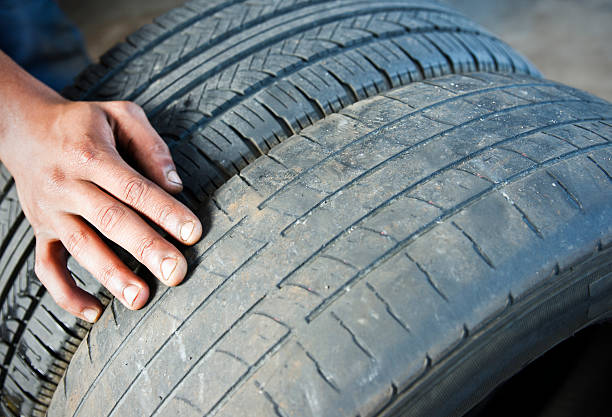
You can also check for feathering. Touch the surface of the tyres and see if it’s smooth in places and rough in others. If it is, then the tyre is feathering and is showing signs of uneven wear. 

used tyre feathering wear

Read the Used Tyres Age

Old tyres are bad news, even if they have ample tread left. A tyre can last at best for 5-6 years and should be replaced after that. Tyres usually have writing on their sides, indicating their age. So, after finding out the remaining tread, you can factor in the age and your driving habits to check if the used tyres are worth it. 

Patches, Defects and Uneven Tread Wears 

Tyres with patches, bubbles or defects should be rejected right away. This might indicate that they have air trapped inside, making them prone to blow without any warning. Avoid buying secondhand tyres with missing chunks, dings or holes, or other risky signs of wear and tear. 

This includes discarding tyres with uneven wear patterns. It could have happened because of the previous car’s bad alignment. So, even if your current is properly aligned, the tyres would be wearing out evenly and wouldn’t last long. 

Know the UTQG Rating

The Uniform Tire Quality Grade Standards (UTQG) is an indicator of how soon the tyres will wear out and how many miles you can get out of them. Alternatively known as Treadwear Rating, the number can help you understand the performance vs durability of the wheels. 

A tyre with a UTQG of less than 200 will have a high grip but will wear out fast. A tyre with UTQG of 450-600 has more durability but at the cost of performance. 

Tyre Brand 

Even if you are not buying fresh tyres, you still need to research their quality. Check for reviews and their original retail prices to know where you stand and how much you should expect. 

Get Your Quality Used Tyres | MMM Auto Centre

For safety and financial reasons, secondhand tyres should be thoroughly checked before buying. You should also choose a trusted seller who is in it for more than just the money. MMM Auto Centre has a team of experienced and knowledgeable staff who can make sure you find the right fit. Contact us now to find out more. 

5 Things to Do When Scheduling a Car Removal for Cash

When scheduling car wreckers or a cash for car service, you should want nothing but the best. After all, the ‘junk’ may have been your first car or an heirloom passed down for generations. Do your research and choose a reputable company that can expertly transport the unwanted vehicle without any unnecessary issues and delays. Or better yet, can do it for free! So, here are 5 things for you to do when scheduling the removal of cars for cash:

1. Estimate the Value of Your Car

Fortunately, many car buyers nowadays send a professional to your location to assess the vehicle and set an instant price before they get to the car removal process. But before you get that quote on the cash for car, you can go online to understand the market price for your vehicle. Find a trusted website and enter the relevant information to get your automated estimates.

2. Remove the License Plate and Registration

Take off your license and registration plates and cancel them in person or through post if you’re planning to scrap the car. This is to protect your privacy and also save yourself from fines from the authorities as it may be illegal to do so otherwise. If there is an unused period of registration, you can apply for a refund. However, you wouldn’t be able to do so if you’ve already sold your car.

3. Get Your Paperwork Ready

Before setting the pick up time for the free car removal service, make sure that your paperwork is in order. This includes the registration papers, proof of ownership, and your driver's license. A car removal company that is not interested in the ownership is a red flag as they might have ulterior motives for your car. Also, make sure you have your car keys ready to hand over too. 

Car Removal for Cash by MMM Auto

4. Clean the Interior

Having rubbish and clutter inside your vehicle can reduce the car removal for cash appraisal rate during evaluation. Besides, you do not want to lose any of your valuables, such as your jewellery or sentimental trinkets. Even if your car has been sitting in your yard or garage for a whole, make sure to check thoroughly under and between the seats, in the dashboard drawer and cup holders, and in the trunk as well. 

If you have a fancy stereo system, take it off so that you can use it for other cars. 

5. Use up the Fuel

If you’ve got some gas in your tank, you might as well use it up to get your money’s worth. Fuel can be very expensive, so why let it go to waste? You can even think of it as a last joy ride before you let it go. However, make sure to keep the drive short as you do not want to end up stranded in the middle of nowhere, even if it means leaving a little fuel in your tank afterward.


DO NOT try to remove the fuel yourself as handling flammable, pollutable liquid can be extremely dangerous. It can leave a trail of oil in its wake, making it illegal for the recovery drivers to carry out the removal of cars for cash.

MMM Auto Centre - Your Car Removal for Cash

MMM Auto, a reliable cash for cars Melbourne service, will make sure you have a hassle-free selling experience from the start. You can schedule a car removal for cash and have it valued, sold,  get paid within just one day. Contact us for more information. 

The Effect of Autonomous Vehicles on the Automotive World - Second Hand Car Parts, Sustainability, etc

Uptakes in the world of artificial intelligence, with particular reference to machine learning and its reliance on large language models, have reshaped how we consider smart living in our near future.

As the ability of devices with separate agencies from our selves increasingly substantiate a capacity to augment and improve our living standards, it’s passed high time that we look into every niche of our lives that innovations like automation and AI assistance could influence. The automotive industry has long been the subject of scrutiny here, whenever fantastical conversations around human-machine societies crop up, à la pop cultural imaginations the likes of Star Wars and Blade Runner.

Re-center our attention on the 21st century, and the surfaces of this sensationalisation begin to materialise in a realistic way. As tech giants race to compete against the market dominance of the illustrious ChatGPT, deceased are brought to digital life with the use of past videos and photos as learning parameters and more, it’s no wonder that industries across the entire economic landscape have found some way to employ AI-tools to their benefit.How will this technology come to influence the automotive industry, and its related fields of after-purchase care and second hand car parts - and will this influence necessarily be a positive, or negative one? Let’s look at it from both angles.

The Rise of the Automated Vehicle - The Pros

Taking a logistical perspective, the development of self-driving vehicles with the use of smart technologies creates a compelling view of a world without human error. To the benefit of both workplace safety and hard skill efficiency, the ‘mobility experience’ has the potential to undergo a revolution in; speed to accomplish certain tasks; reduction in required labour and cost; optimisation of resources to be refocused into other fields, and other time-condensing perks spanning both corporate and consumerist planes.

Environmentally, this efficiency becomes twofold. Where fewer manpower is required to maintain the same level of given output, carbon dioxide emissions proportionally decrease in the absence of human operators. The implications of perfect driving, on this same competency, makes for a similar reduction in emissions from an operational standpoint, as pathing becomes optimised for as little wasted movement as possible.

Cons of Automation - Second Hand Car Parts, OEM’s and More

For these benefits to fully penetrate society, changes in predominant production trends have already begun to take place, with years of productive distance no longer in need of drastic coverage before manufacturing is smart vehicle-centric.

The reason being that the onus on original equipment manufacturers (OEM’s) to shift their production forecast to EV needs, like power-effective batteries, dynamic motor function to generate force, and reducer capacity to control RPM’s more efficiently, has emerged as a demand that encompasses the sensibilities of the modern driver - one that is eco-conscious, forward thinking and critical of optimisation.

While parts integral to the design of sensors, their transmission of data using semiconductors, the power of electric power control units (EPCU) and more become the pressing agenda, though, the parts economy becomes increasingly less concerned with the once indisputable need for internal combustion production.

Key Takeaways - MMM Auto Centre

That said, traditional car manufacturing remains capable of elevation, keeping ICE’s mainstream amid a history of well established use in driving habits. Though the timeline for complete electric and smart-vehicle domination continues to elude the short term of the 2020’s for now, the mid-term of our automotive future grows less certain with each paradigm-breaking phenomenon that seems to erupt every week. 
Looking for second hand car parts and services? Check out our services at MMM Auto Centre for your removalist, after-purchase care and second hand needs today!

Trends in the Auto Wreckers Industry in Australia

Major changes are expected from the car part industry in Australia. And more generally, the international community is likely to see fundamental shifts in how production is handled by key manufacturers. 

The shift is driven by changing consumer attitudes towards sustainability, impacting our lifestyle, relationships with businesses and consumption habits. 

The trend represents a figurative U-turn from the convenience of globalisation, creating potential opportunities for domestic manufacturing centres to take over and raise questions about international markets. How have these trends come into play? Let’s explore the factors behind these developments.

International Auto Parts in Australia and the World

Towards the end of the 20th century, there was a notable shift in the way that states and non-government organisations approached multilateral ventures with each other. Large private entities and non-government organisations sought to expand their operations beyond borders, resulting in an exponential increase in B2B interactions and Foreign Direct Investments (FDI)

The international auto part industry in Australia was particularly affected by this trend due to its ability to access economies of scale. Rather than just focusing on vehicle sales, the industry embraced entire divisions of labour and outsourcing of costs exist on either end of the product’s lifecycle, both during the multifaceted production process by Orginal Equipment Manufacturers (OEMs) for brands like Ford or BMW or in second-hand markets dealing with interchangeable used car parts.

The goal was to achieve cost advantages through competitive manufacturing splits and production divisions. The democratisation of markets via online platforms led to explosive growth in the entire automotive industry. 

Rerouting Resources in the International Parts Industry

As society’s focus on production in a globalised economy has evolved, companies have similarly shifted their approach to waste and emissions. This change has gradually reflected the changing attitudes towards sustainability and the need to reduce environmental impact.

By 2040, it is estimated 60% of automotive waste will project its source from materials used in production, alongside an estimated half the cost of vehicle production emerging from non-recyclable material. Public sentiment has since swayed our financial stake in the pursuit of being more environmentally sustainable, making an investment in nascent markets like electric vehicles (EVs) or autonomous driving deeply inviting.

Those most subject to this change - car wreckers Australia-wide being one of the most prominent - hold a keen balance between pros and cons.

Most obvious to this line of change - being the movement of mechanical engineering from internal combustion to electric - exist without argument. Pistons, fuel injectors, and more complex gearboxes will decrease in significance as electric structures conversely increase, reducing the dynamic bulk of the international auto parts industry to instead concentrate on efficient batteries, smoother motors, and power converters.

The importance of efficient resource use is paramount to the sustainability conversation, and dealing with obsolete car parts is an unavoidable challenge. The concept of a circular parts economy has long been viewed as an ideal solution, as it would strengthen the aftermarket industry's integration with the vehicle product lifecycle and optimize spending on wasteful manufacturing while reducing costs. 

Ultimately, maximizing the value chain in production requires a more economical use of resources, with a focus on sustainable creation and consumption at the forefront of the prospective market. This approach creates promising opportunities on both ends of the manufacturing process, despite the risk of decreasing value pools.

Efficient international auto parts Australia

MMM Auto Centre

Looking for a reliable wrecking yard and parts provider that prioritizes sustainability and efficient resource use? Look no further than MMM Auto Centre! Our commitment to a circular parts economy and sustainable production means you can trust us to provide quality parts while reducing waste and environmental impact. Contact us today to learn more!

Environmental Benefits of Hiring a Car Removal Service

Vehicle removal services are convenient for removing unwanted, old or scrap cars. They offer quick and effortless removal of vehicles, and car owners can receive cash in exchange. But most importantly, a car removal service can benefit the environment since it can help reduce pollution and landfill waste. This article will delve into the benefits of using a car removal service and how it can assist customers in responsibly disposing of their old vehicles. 

What Is A Car Removal Service?

Car removal services provide a sustainable solution for disposing of old, unwanted, or scrap vehicles through collection, towing, and recycling. When a vehicle sits around and collects dust, it rusts and deteriorates, losing its ability to function. The service will take the vehicle to wrecking yards, where the metal parts will undergo recycling. If the car is still in good working condition, they will resell it. Companies like MMM Auto Centre offering removal services are paying owners a considerable amount of cash for getting rid of the vehicle, not to mention the towing services are free. 

Car Removal Service For A Greener Earth

The Environmental Impacts When Not Hiring A Car Removal Service

As the number of cars on the roads continues to increase, so does the problem of old and unused cars that are left abandoned or illegally dumped in public places. This is a common issue that affects many people, particularly those who live in urban areas where space is limited, and the cost of disposing of an old car can be prohibitive. When people cannot find a proper way to dispose of their cars, they may resort to illegal dumping, which can lead to environmental hazards, aesthetic eyesores, and even legal consequences. 

According to the Auto Parts Recyclers Association of Australia Inc (APRAA), it is estimated that 100,000 tonnes of waste from ELV (End-of-life vehicles) are generated annually. This problem highlights the importance of responsible car ownership and the need for effective solutions for disposing of old and unused vehicles safely and sustainably.

Potential hazards of leaving a junk car on your property can include but are not limited to:

Damaged cars can release fluids like engine oil, brake fluid, coolants, and fuel, which seep into the ground and contaminate the surrounding soil and water supplies. In addition, vehicles with old engines are a significant source of carbon monoxide and other pollutants. These fluids and pollutants harm the environment and negatively impact wildlife by contaminating ecosystems. 

The gases emitted by scrap cars, known as greenhouse gases, contribute to global warming and have been predicted by scientists to cause significant environmental damage. Lastly, unlike organic waste, scrap cars do not biodegrade, meaning their plastic and rubber components remain in the environment for decades, slowly releasing toxic fumes.

The only solution to these environmental problems is through a car removal dealer, which buys junk cars from people and handles them correctly. In return, creating a safer environment.

About MMM Auto Centre

Suppose you need a car removal service or to replace a car part unavailable at your location. We offer consultations and free removal services according to your needs. Contact us for more information.

Why is Now a Good Time to Buy Second Hand Car Parts?

The car parts industry has grown modestly over the past years. Industry representatives sell new and used vehicles to consumers and businesses. It is recorded the car parts retailing industry reached a turnover of $5.9 million of value in 2022. In response, there’s been an increasing demand for car parts and accessories over the period.

This demand stemmed from consumers maintaining their old cars by replacing motor parts with second hand car parts rather than purchasing new vehicles. Additionally, recent economic uncertainty plays a considerable role and has caused some consumers to withhold new car purchases and favor repairing old cars. 

Second hand parts for cars at MMM Auto Centre
MMM Auto Centre second hand car parts

The Hidden Potential of Second Hand Car Parts

In Australia, the number of car owners is growing rapidly, with 53% of households reporting having access to two or more vehicles and this number continues to grow, painting a grim picture of cars outgrowing the human population. In response to this, car buyers are looking at second hand car parts as a cost-effective solution alternative. 

There are a few benefits to choosing second hand car parts over newer parts, specifically time and money. Using second-hand car parts guarantees that the car is back on the road faster and more affordable than buying new ones. Ordering a new part can also be a lengthy process, especially if the car needs to be fixed quickly or in some cases, parts need to be sent from overseas. 

Environmental concerns need to be factored in as well. When a car is deemed unusable, a supply of spare parts can help it return to tip-top shape. It is becoming an issue when 14 million cars are sent to landfills each year when they still have a long life expectancy ahead of them. In addition to saving money and time, second-hand car parts owners will also be contributing to protecting the earth’s resources by cutting down the manufacturing and mining process.

Tips for Sourcing Quality Second Hand Car Parts

Understand the Second Hand Car Parts Business

The most commonly replaced car parts are:

For average car parts onlookers, they will need to know the model of their cars and the year it was made. This will help identify the right part of their vehicle. Car dealership businesses often based on these facts to help acquire the parts the consumers need.

If unsure of what to look for, they can always refer to a professional

Return Policy

Before purchasing second hand parts, always read and make sure of the store policies clearly, especially the return policy. Most sellers will often offer a return policy for any faults or change in circumstances regarding the purchase.

Warranties

Even though the car parts are purchased from a credible source, it is always a good practice to ask for warranties on the purchase, sometimes the sellers will include a warranty as part of their services. 

Second Hand Car Parts at MMM Auto Centre

Nowadays, it is extremely easy to find used car parts, whether from car wreckers, Facebook Marketplace, or eBay. At the same time, there are numerous fakes on the market, so car parts buyers always need to be cautious and make sure they are buying parts from a credible supplier.

In normal circumstances, an average car buyer never experiences or has the need to replace these parts unless they have reasons for it like accidents, or prolonging their car's lifespan. Other than this, a nuanced understanding of car parts is not required.

At MMM Auto Centre, second hand car parts are sourced and processed by experienced mechanics so customers can buy with confidence of receiving quality used car parts. The parts are also cleaned to ensure %100 customer satisfaction when receiving the purchase.

If you need free car removal or looking for a car part that’s not available in your country. Refer to our services for the right decisions. 

Will the Rise of EV’s Affect Second Hand Car Parts?

The Rise of Electric Vehicles in the Automotive Market

The beginning of the pandemic saw one of the worst downturns in our automotive market the world over had ever seen. Between suppliers, manufacturers, and consumers, all reaches of the automotive ecosystem seemed to have jumped ship. 

Beginning in February 2020, sales across China had dipped by 71%, alongside an almost 18% drop in the Australian market by March to showcase an extreme upset of consumer confidence, as buyers looked to buckle down for the long haul, amidst a pandemic with no end in sight.

The need to withdraw from the world did not end as an initiative exclusive for the sake of public health, though, as conversations have since risen surrounding the way we engage with the world in our absence, and our resulting place on its surface.

The resulting introspection has since given birth to many a conversation: a fundamental need to rethink our environmental footprints, design with a focus on working away from work, and our immediate everyday lives, placed in an almost entirely digital context.

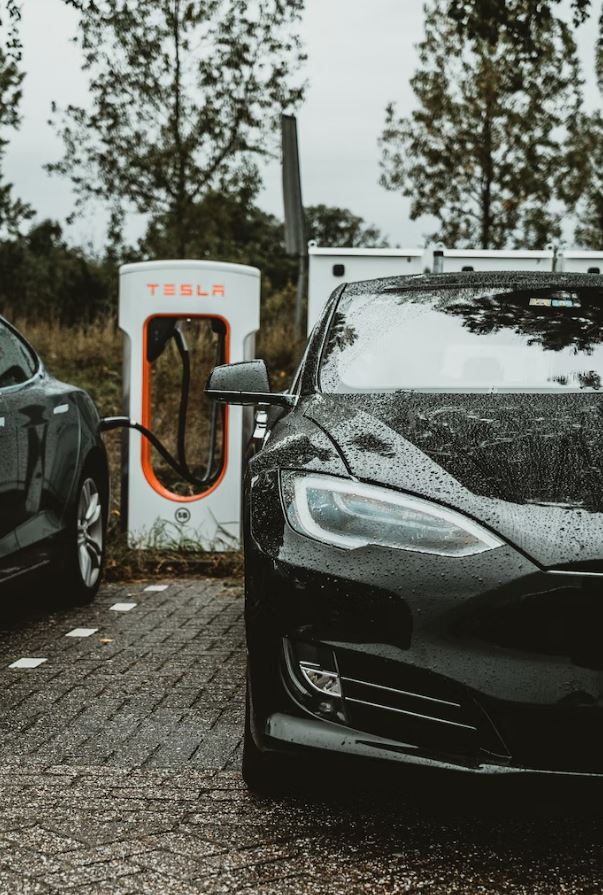
The rise in funding for electric vehicle (EV) manufacturing, as well as an increasing global presence of tech startups the likes of Tesla, are not isolated from this conversation - and speaks to a broader mood that has its eyes on EV’s increasing their market share in the automotive market. Almost to punctuate the point, sales and emergence of EV’s happened to accelerate in the second half of 2020, while trends for traditional car sales were only beginning to round the bend during the same quarter.

The question has since begged itself; how will the rise of EV’s affect the traditional market? What will the market for second hand car parts look like? Will the demand for parts change in our near future? Let’s dig a little deeper.

The Influence of EV’s - Second Hand Car Parts, Cars and More

Will EV’s make second hand parts for cars obsolete?

As a companion to the vehicle market itself, it’s inevitable that the market determining second hand parts for cars also be bound for change.

Shifts in the cultural temperament concerning sustainable consumption will be paramount to any household by the 2030’s - but that isn’t to say that we’ll be riding spaceships and hovering cars within the next 10 years. Parts that remain shared between EV’s and internal combustion engine (ICE) vehicles will continue to have demand, which means components like batteries, brakes, springs, lights, and other permanent installations in the modern zeitgeist are likely to stay second hand car parts.

On the flipside, engine parts reliant on fuel and gas will have their market shares somewhat amputated, accommodating gear train and transmission parts, fuel tanks and other relevant components indispensable to the conversion of power necessary, from engine to wheel. 

That said, this isn’t to say that these changes will be predominant by tomorrow, nor that there will be no place at all for any of these parts by the time EV’s constitute a strong share of the market. The potential still exists in the future for these parts to serve alternative industries with transferable application, or to be repurposed for innovations that continue to operate with similar mechanics.


There is no guarantee for second hand parts for cars, particularly those running on internal combustion, to completely dissipate, in other words. For the moment, all we can say is that all things are trending electrical, at least for the foreseeable future.